How to Choose Flooring for Sacramento Homes: LVP, Laminate, Hardwood, Tile, and Engineered Wood
Flooring affects almost every room in a home, but it is often chosen too quickly. A sample looks good, the color seems close enough, and the decision feels finished. The real questions often appear later: Will it feel too hard underfoot? Will it scratch near the dog bowl? Will the kitchen transition look awkward? Will the bathroom need something different? Will the floor still make sense after cabinets, countertops, and paint colors are installed?
For Sacramento-area homes, the best flooring choice is not just the surface that looks best in a showroom. It is the material that fits the rooms, foundation, lifestyle, cleaning habits, budget, and long-term remodel plan. Luxury vinyl plank, laminate, solid hardwood, engineered wood, porcelain tile, ceramic tile, and natural stone can all be good choices, but they solve different problems.
Start With the Rooms That Work the Hardest
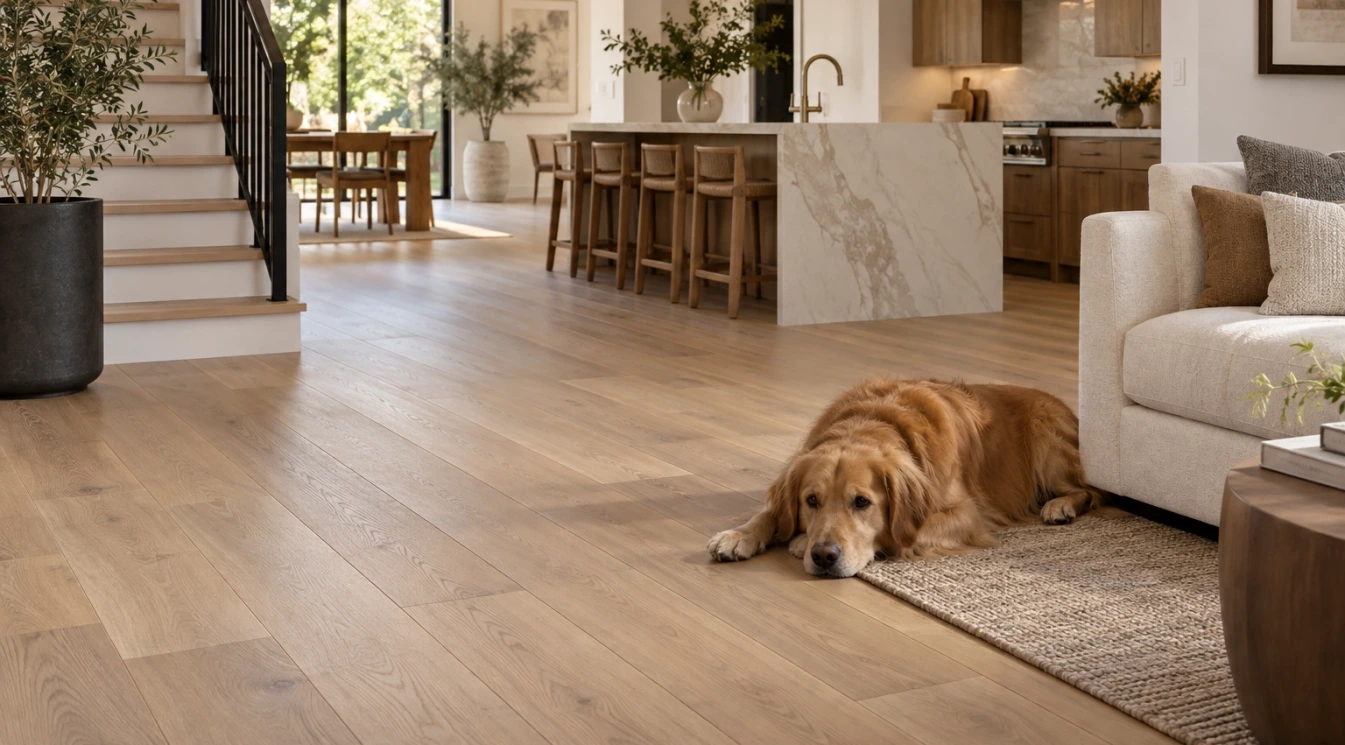
Before comparing colors, decide which rooms will receive new flooring and how each space is used. Kitchens, bathrooms, laundry rooms, entryways, and hallways work harder than bedrooms and formal spaces. They see spills, shoes, pets, groceries, cleaning products, moisture, and daily traffic. A floor that performs well in a bedroom may not be the right choice for a kitchen or bathroom.
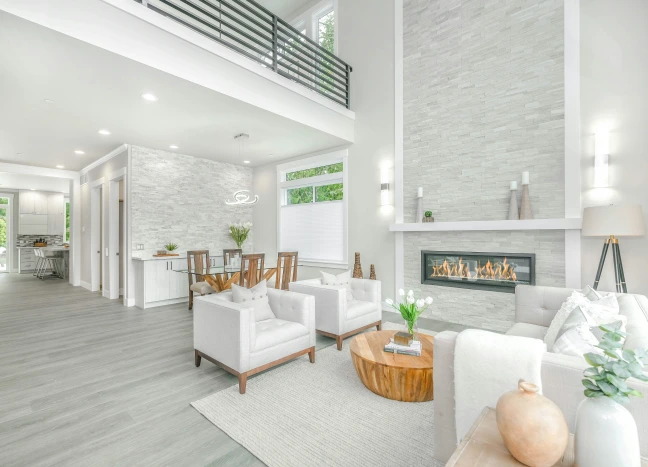
It also helps to think about whether the flooring should run through the whole home or change by room. Continuous flooring can make a home feel larger and calmer, especially in open layouts. Separate flooring can make sense when bathrooms, laundry rooms, or mudroom-style areas need better moisture resistance. The goal is to make transitions look intentional, not accidental.
LVP: Practical, Comfortable, and Popular for Busy Homes
Luxury vinyl plank is popular because it handles many everyday problems without demanding too much from the homeowner. It is often chosen for families, pets, rental properties, kitchens, hallways, and whole-home updates where the floor needs to look good and remain practical. Many LVP products have a wood-look surface, a resilient feel underfoot, and a construction that handles routine spills better than many wood-based floors.
LVP is not all the same. Wear layer, core construction, plank thickness, locking system, surface texture, and installation quality all matter. A low-quality plank can look repetitive or feel thin. A better plank can give a room a warmer, more finished look without the maintenance concerns of real wood. The right choice depends on where it will be installed and how much traffic the room receives.
Laminate: Better Than Its Old Reputation, But Still Needs the Right Setting
Laminate flooring has improved significantly from the older versions many people remember. Modern laminate can offer convincing wood visuals, a firm feel, and strong scratch resistance, especially in living rooms, bedrooms, hallways, and other dry spaces. It can be a smart option when the homeowner wants a wood look at a controlled budget.
The main caution is moisture. Some laminate products are made with improved water resistance, but laminate is still a wood-based product. Kitchens, entries, and laundry areas require more careful product selection and installation. Bathrooms are usually where homeowners should be especially cautious. A flooring decision should not rely only on a product label; it should consider the room, seams, edges, and real daily use.
Solid Hardwood: Warm, Natural, and Best When Longevity Matters
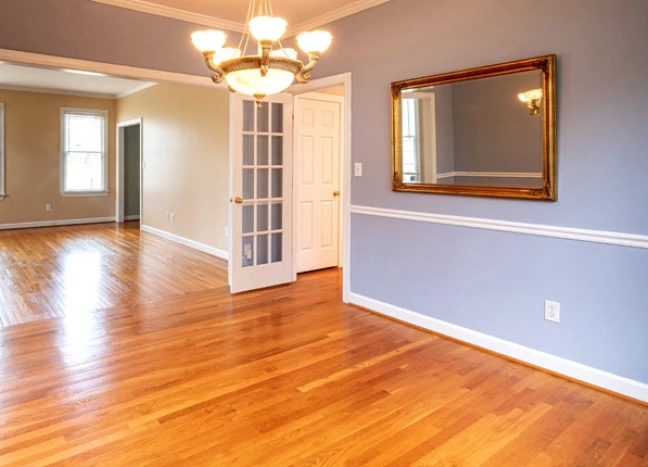
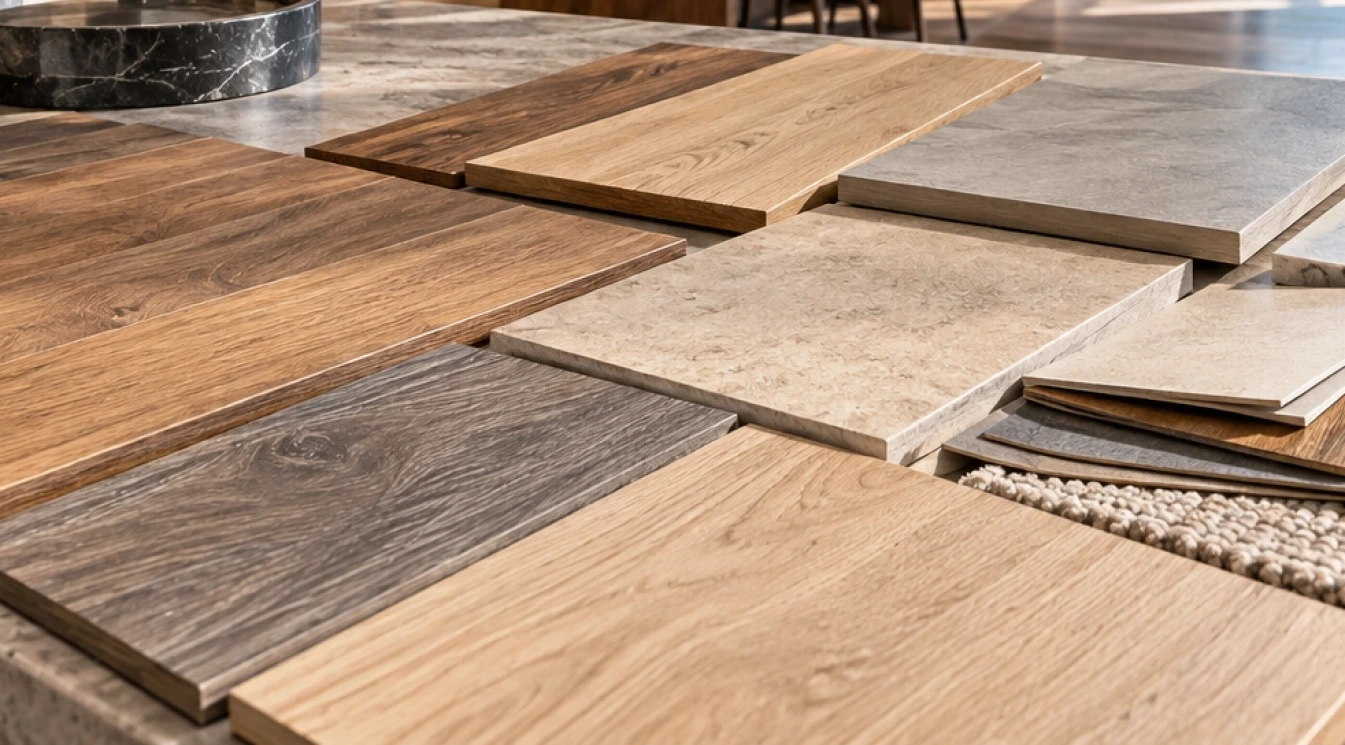
Solid hardwood has a depth and natural variation that manufactured surfaces try to imitate. It can be refinished over time, which is one reason it remains desirable in many homes. For living rooms, dining areas, bedrooms, and traditional interiors, hardwood can bring warmth that is difficult to duplicate.
Hardwood also needs realistic expectations. It can scratch, dent, react to moisture, and change with indoor conditions. In a busy household with large dogs, active children, or frequent water exposure, hardwood may require more care than the homeowner wants. It is often a better fit for people who accept patina and maintenance as part of owning a natural floor.
Engineered Hardwood: Real Wood With More Installation Flexibility
Engineered hardwood has a real wood surface over a layered core, which can make it more flexible for certain installations than solid wood. It is often considered when the homeowner wants the look and feel of wood but needs a product that may work better over slab foundations or in broader remodel conditions.
The most important detail is the wear layer. Some engineered floors can be refinished in the future, while others cannot. A thicker real-wood layer generally gives the floor more long-term flexibility. A thin veneer may look attractive at first but gives the homeowner fewer options if the surface becomes worn. When comparing engineered wood, do not judge only by color; ask how the product can be maintained years later.
Tile Flooring: Durable, Clean, and Strong for Wet Areas
Porcelain and ceramic tile are strong choices for bathrooms, laundry rooms, entries, kitchens, and other areas where water resistance and cleaning matter. Porcelain tile is especially useful when the homeowner wants durability, low routine maintenance, and design range. It can look like stone, concrete, wood, marble, or a simple neutral surface.
Tile also changes the feel of a room. It is harder and cooler underfoot than wood, LVP, or laminate. That can be an advantage in some homes and a drawback in others. Grout color, grout width, tile size, and layout all affect the final look. Large-format tile can make a floor feel cleaner and more continuous, but it requires careful preparation and installation.
The best flooring choice is not the one sample that looks good by itself, but the surface that can carry the home’s daily life without compromising the rest of the design.
Natural Stone Flooring: Character, Weight, and a More Permanent Feel
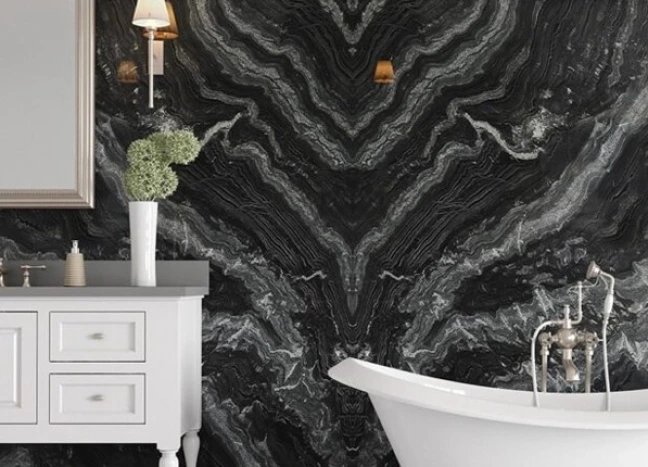
Natural stone flooring can give a home a substantial, organic, and high-end feeling. Travertine, limestone, marble, slate, and other stones each bring their own color range, texture, and movement. Stone can be especially attractive in entries, bathrooms, patios, Mediterranean-inspired homes, and spaces where the floor is meant to feel architectural.
Stone also asks more from the project. It may require sealing, careful cleaning products, proper substrate preparation, and a homeowner who appreciates natural variation. Some stones can etch, scratch, or absorb stains more easily than expected. It is a beautiful choice when selected honestly, but it should not be treated as a maintenance-free surface.
How Sacramento Homes Affect Flooring Decisions
Many Sacramento homes have slab foundations, open living areas, indoor-outdoor traffic, pets, dust from dry seasons, and kitchens connected directly to family rooms. Those conditions make flooring transitions, surface durability, and cleaning routines more important. A floor that looks elegant in a single-room sample display still has to work from the entry to the kitchen to the hallway.
Heat and sunlight should also be considered. Large windows can brighten a room, but they can also change how flooring color appears throughout the day. A pale floor may look airy in morning light and washed out in stronger afternoon light. A dark floor may look rich in a showroom and heavier at home. Bringing samples into the actual room is always more revealing than choosing from memory.
Pets, Kids, and Daily Traffic Change the Priorities
A quiet household can choose flooring differently than a home with dogs, children, frequent guests, or heavy kitchen use. Scratch resistance, cleanability, slip feel, and comfort underfoot become more important when the floor is used hard every day. LVP and tile often perform well for busy households, while wood can work beautifully when the owner is comfortable with more visible wear over time.
Color also affects maintenance. Very dark floors can show dust, pet hair, and footprints. Very light floors can show certain stains and debris. Mid-tone floors, soft natural wood looks, warm taupes, greiges, and lightly varied patterns often hide daily wear better than extreme colors.
Think About Countertops, Cabinets, and Paint at the Same Time
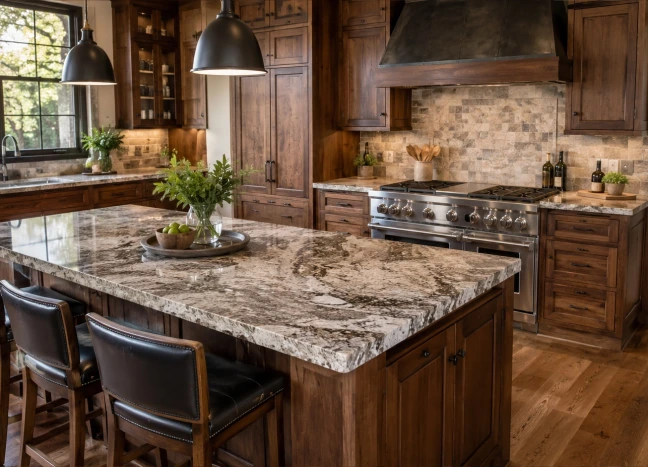
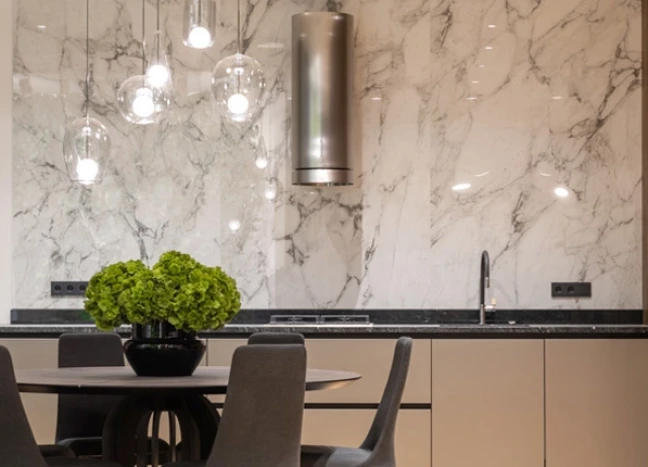
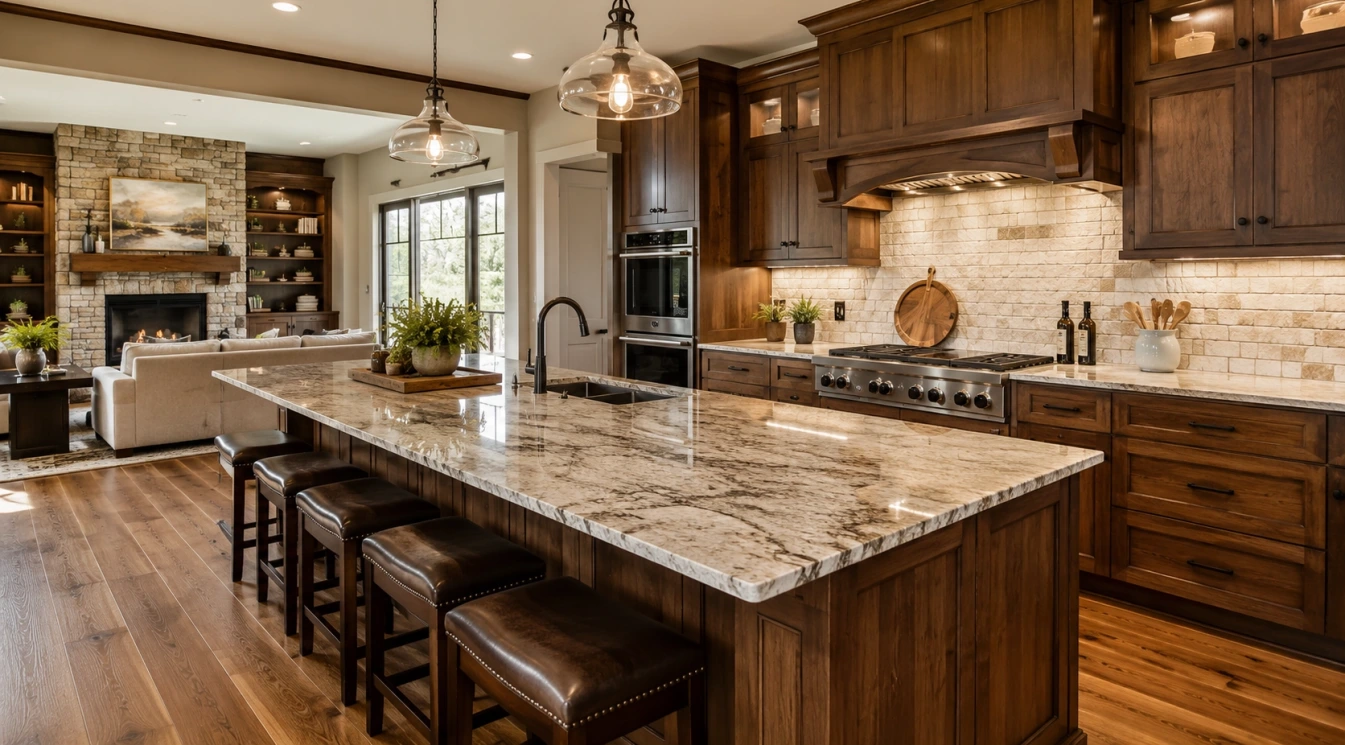
Flooring should not be chosen separately from the rest of the remodel. A warm oak-look floor can make a cool gray countertop feel colder. A gray floor can make warm cabinets look more orange. A patterned tile floor can compete with an active countertop or backsplash. A natural stone floor can shift the entire palette of the room.
Bring cabinet samples, countertop samples, backsplash ideas, and paint colors when comparing flooring. The floor may be below eye level, but it still affects every other surface. In an open kitchen, the flooring color can decide whether the countertop looks crisp, warm, dramatic, or disconnected.
Questions to Ask Before Choosing Flooring
- Where will the flooring be installed? Dry rooms, wet rooms, kitchens, and entries may need different priorities.
- Who lives in the home? Pets, children, guests, and mobility needs all affect the best choice.
- How much maintenance is acceptable? Natural wood and stone can be beautiful, but they require more care than many manufactured surfaces.
- Will the floor run continuously? Whole-home flooring needs careful color and transition planning.
- What other finishes are staying? Cabinets, counters, tile, and paint colors can change how flooring reads.
Choose the Floor That Supports the Whole Home
The right flooring should look good, perform well, and support the larger remodel. LVP may be the practical answer for a busy household. Laminate may work well in dry areas when budget and scratch resistance matter. Hardwood may be the best choice when warmth and refinishability are priorities. Engineered wood may offer a useful balance of real wood and installation flexibility. Tile or stone may be the strongest fit for bathrooms, laundry rooms, entries, and homes where durability is the main concern.
Domus Surfaces can help Sacramento homeowners compare flooring with countertops, slabs, tile, cabinets, and backsplash materials so the home feels coordinated instead of assembled one product at a time. Flooring covers more square footage than almost any other finish, so it should be chosen with the whole home in view.