The bathrooms that feel best over time are the ones where comfort, cleaning, moisture control, and material choice were all considered early.
Build the Bathroom Around Comfort, Moisture, and Daily Use
A bathroom remodel should make the room easier to use every day, not just give it a cleaner look. Whether you are planning a full Sacramento bathroom remodeling project, a shower remodel, or a more focused tub to shower conversion, the strongest results come from balancing layout, storage, moisture resistance, and finish selection at the same time. Bathrooms are smaller than kitchens, but every decision matters more because the room has to work harder within a tighter space.
Good bathroom remodeling ideas usually start with a simple question: what is not working now? For some homeowners, it is an outdated tub that takes up space without being used. For others, it is poor vanity storage, difficult cleaning, weak lighting, or surfaces that feel too dark, too cold, or too slippery. When those problems are clear, choosing the right bathroom tile, vanity top, flooring, shower layout, and wall finishes becomes much easier.
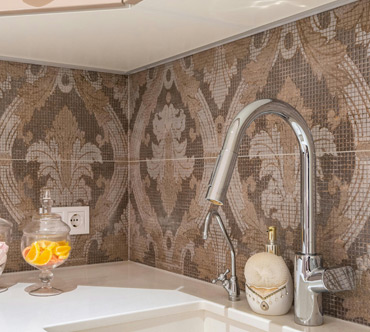
Bathroom decisions that shape the whole room
- How the shower, vanity, toilet, and storage zones work together in a smaller footprint
- Whether a tub to shower conversion, wet shower, or traditional bath layout fits the way the room is actually used
- Which bathroom tile, vanity materials, and flooring options hold up best to moisture, cleaning, and repeated use
- How modern, traditional, and rustic bathroom styles change the look and feel of the space
In many homes, the most valuable improvement is not making the bathroom larger. It is making the room feel more open, more usable, and easier to maintain. A floating vanity can visually lighten the space. Larger wall tile can reduce grout lines. A better shower enclosure can brighten the room and simplify cleaning. Lighter surfaces such as warm white quartz, creamy porcelain tile, or soft natural stone looks can also make a smaller bathroom feel more expansive without losing warmth.
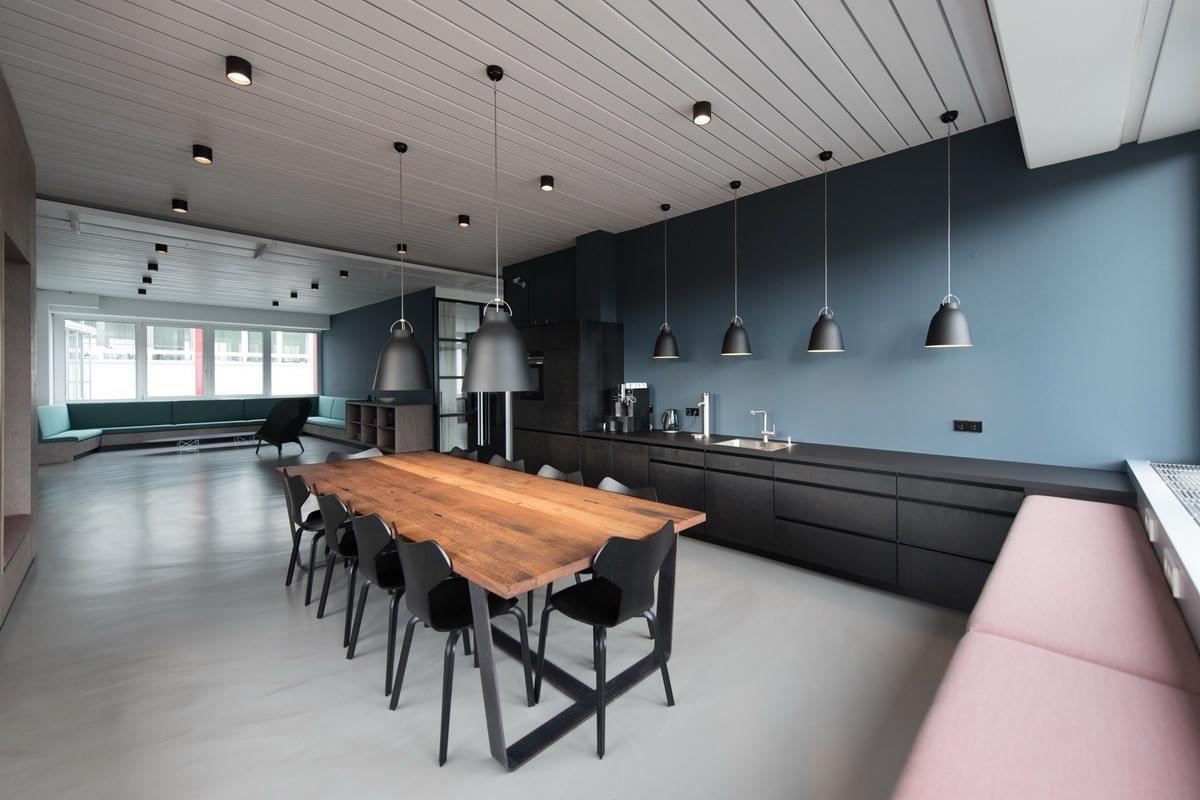
Wet shower, tub to shower conversion, or a more traditional bath?
One of the biggest layout choices in a bathroom remodel is deciding how the bathing area should work. A wet shower or wet room can feel very modern, open, and architectural when the bathroom is designed around it properly. These layouts often use larger tile, strong waterproofing, cleaner lines, and minimal visual interruption. They can work especially well in contemporary homes or when a more seamless, luxury look is the goal.
A tub to shower conversion is often one of the smartest functional upgrades for a primary bathroom or guest bath that no longer needs a full tub. It can create easier access, more usable standing room, and a cleaner overall layout. At the same time, a traditional bathroom with a tub and shower combination may still make the most sense for households with children, resale priorities, or limited square footage. The right answer depends on who uses the room, how often, and what you want the space to feel like day to day.
Choose bathroom surfaces that look strong and clean up well
Bathroom materials should always be chosen with moisture and maintenance in mind. Porcelain and ceramic tile remain strong options for shower walls, floors, and feature areas because they are durable and easy to maintain. For vanity tops, quartz remains one of the simplest choices because it is consistent, low maintenance, and available in a wide range of colors. Natural stone can also work beautifully when the look is worth the extra care.
Taj Mahal quartzite is often requested in upscale bathroom remodeling because it brings a softer natural look than stark white surfaces and pairs well with warm woods, brass, black fixtures, and neutral tile. Calacatta-inspired quartz remains popular for homeowners who want a lighter, brighter vanity look with bold movement. If the shower tile already carries pattern or texture, the vanity top may work best in a quieter finish. If the room is otherwise simple, the countertop or vanity wall has more room to become a feature.
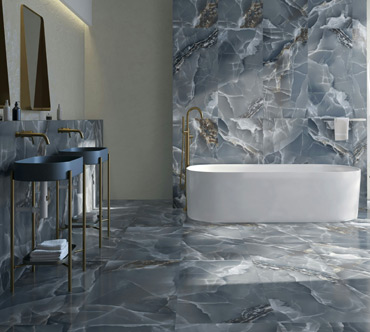
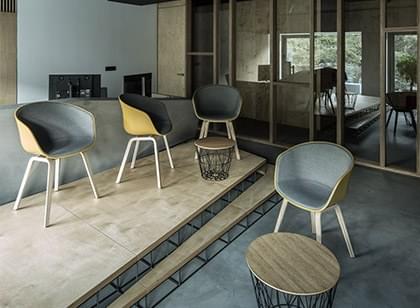
Style direction matters just as much in a bathroom because the room is experienced up close. A modern bathroom usually leans into cleaner lines, larger-format tile, floating vanities, frameless glass, and simpler color transitions. A more traditional bathroom may use warmer cabinetry, detailed mirrors, polished hardware, and classic tile layouts. A rustic bathroom can work beautifully too, especially when natural wood tones, textured tile, warm stone looks, and matte metals are handled with restraint rather than overdone.
The best bathroom renovation does not chase every trend. It solves the room first, then layers in finishes that feel durable, calm, and appropriate for the home. When shower tile, vanity materials, flooring, lighting, mirrors, and hardware are chosen together, even a modest bathroom remodel can feel much more custom. And when the room is planned around real daily use, the finished space usually looks better for longer and is easier to live with over time.
Ready to Compare Bathroom Materials More Closely?
Once the layout direction is clear, the next step is narrowing down the surfaces that will define the room every day: shower tile, vanity materials, flooring, wall tile, and accent finishes. This is usually where the project starts feeling real, because tone, texture, reflectivity, and maintenance all become easier to judge in person than they are online.
Domus Surfaces can help you compare bathroom tile, slabs for vanity tops, flooring, and coordinated finish directions in one place. If you want to keep going, the next step is usually exploring materials and options in more detail, then narrowing those selections down to a realistic bathroom remodel plan.