Tile is one of the rare materials that can be both practical and beautiful without compromise. It can feel crisp and modern, warm and earthy, bold and artistic, or calm and minimal—while still holding up to real life: wet bathrooms, busy kitchens, muddy shoes, and whatever else a home throws at it.
If you’ve been browsing options and everything is starting to look the same, you’re not alone. The secret is that the “right” tile is less about trends and more about matching the material to the job. A tile that’s perfect on a shower wall isn’t always the best pick for a floor. A floor tile that’s bulletproof in a hallway might not give you the look you want for a fireplace surround. Once you know what each type of tile is good at, decisions get easier fast.
Porcelain tile: the workhorse that still looks high-end
Porcelain has become the default choice for many homeowners because it performs so well in so many places. It’s dense, durable, and typically a great option for both floors and walls. In bathrooms, porcelain is especially popular for shower walls and wet areas because it’s designed to handle moisture and daily use without drama.
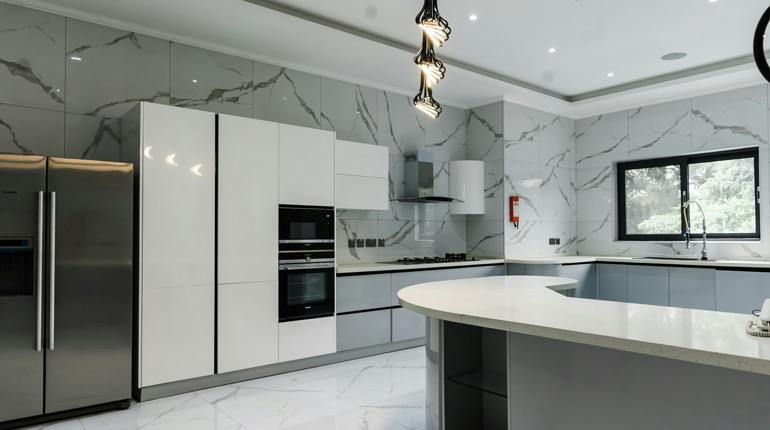
Design-wise, porcelain is also ridiculously flexible. It can mimic marble, concrete, wood, and natural stone, which makes it easier to get a luxury look with the practical benefits of a modern surface. If you’re shopping for floor tile in Sacramento or planning a remodel that needs reliable performance, porcelain is often the first category worth exploring.
Tile, elevated surfaces—made to handle water, wear, and time
Ceramic tile: classic style, friendly budget, great for walls
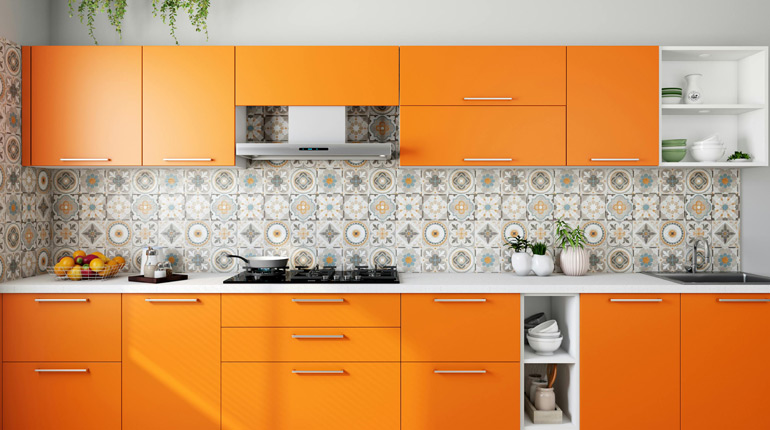
Ceramic tile is a longtime favorite for backsplashes and bathroom walls because it offers lots of color and style options at approachable price points. If you love the look of bright white subway tile, handmade-style glazed finishes, or softer traditional patterns, ceramic is often where those looks shine.
For floors, ceramic can work in the right situations, but most homeowners prefer porcelain when the goal is maximum durability—especially in high-traffic zones. Think of ceramic as a beautiful “wall-first” tile that can still be used in other places when the project and tile specs make sense.
Natural stone tile: unmatched character, with real-world upkeep
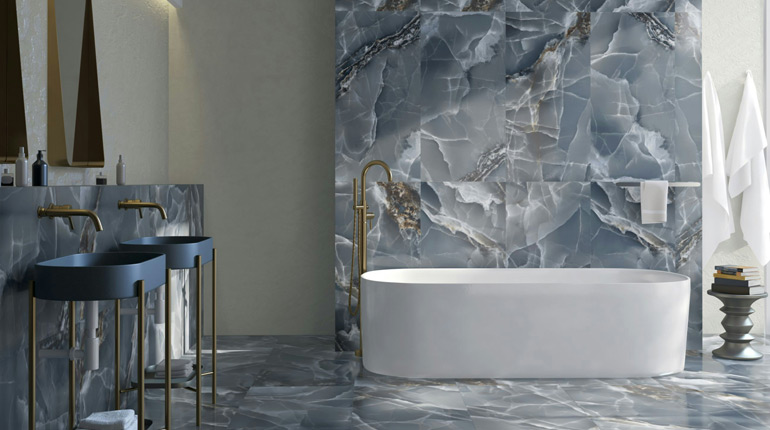
Natural stone brings something engineered surfaces can’t perfectly replicate: organic movement, depth, and a one-of-a-kind feel. Marble, travertine, slate, and other stones can make bathrooms and entryways feel instantly elevated. Stone is often used on bathroom walls, shower surrounds, and feature areas where you want that natural luxury.
The tradeoff is maintenance. Many stones require sealing and a bit more care depending on finish and where they’re installed. Some homeowners love that relationship with the material; others prefer a porcelain lookalike that keeps the style but minimizes maintenance. Either choice is valid—it depends on how you want your home to feel and how much upkeep you want in your life.
Glass tile and mosaics: small tiles, big impact
Mosaics are where tile becomes jewelry. They add texture, detail, and design flexibility in areas where big tile might feel too plain. In bathrooms, mosaics are especially common for shower floors because smaller pieces can follow the slope to the drain more easily, and the extra grout lines can improve traction underfoot.
Glass tile is often used for backsplashes, accents, and niches because it reflects light and adds color depth. These tiles can make a kitchen or bathroom feel brighter and more custom, especially when used as a focused design moment rather than everywhere at once.
Where tile works best (and why it’s so versatile)
One reason tile stays popular decade after decade is that it’s truly multi-purpose. Tile works beautifully on floors in kitchens, bathrooms, and entryways because it’s easy to clean and built for daily wear. It’s also a natural fit for bathroom walls and shower walls because it handles moisture and cleans up well when the right material is chosen.
Beyond that, tile is one of the easiest ways to add finish and personality to areas people don’t always think about: fireplace surrounds, laundry rooms, mudrooms, stair risers, and even outdoor covered spaces depending on the tile and installation. A good tile plan can tie a home together, especially when you coordinate tone and texture across floor tile, bathroom tile, and kitchen backsplash choices.
The benefits homeowners feel after the remodel is done
Tile’s biggest benefits are the ones you notice later, when life returns to normal. It’s easy to wipe down. It holds up. It stays looking “new” longer than many other surfaces, especially in wet spaces and high-traffic areas. It also gives you design control: you can go timeless, bold, minimal, textured, glossy, matte—without being locked into one look.
And tile plays well with other finishes. It pairs naturally with quartz or stone countertops, painted or stained cabinetry, and modern fixtures. That’s why designers reach for tile when they want a room to feel finished, clean, and intentional.
Choosing tile without getting overwhelmed
If you’re feeling stuck, the fastest way forward is to choose tile in the order you’ll experience it. Start with what you’ll touch and see most often—usually the floor or the shower walls—then build around that. Bringing photos of your cabinets, flooring, paint, and lighting to the showroom helps more than people expect, because tile undertones change dramatically depending on what surrounds them.
If you’re shopping at a tile store in Sacramento, seeing options in person is the moment when the “internet favorites” quickly separate into “yes, this is it” and “nope, not in my house.” It’s also the best way to compare finishes and textures that don’t translate well through a screen.